
Eid is a time of celebration, joy, and family gatherings. One of the highlights of this festival is wearing a beautifully designed outfit that reflects both tradition and style.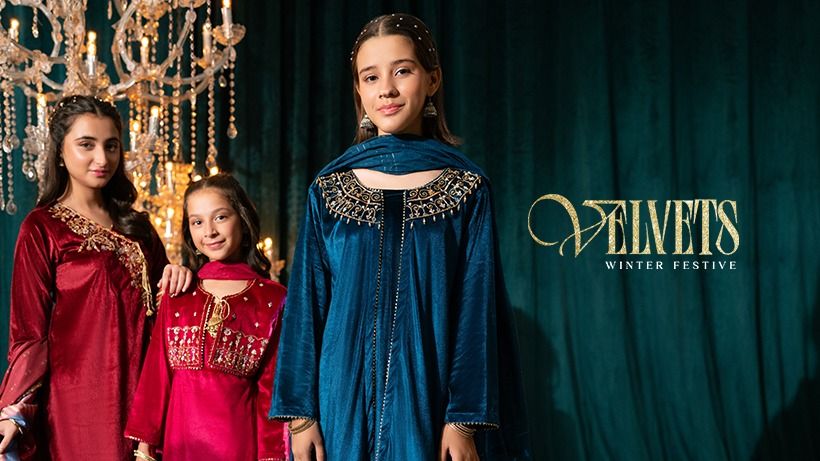
A well-fitted eid dress design can make anyone feel confident, elegant, and festive.
While buying ready-made dresses is convenient, tailoring your Eid dress ensures a perfect fit, personalized style, and attention to detail that off-the-rack dresses cannot offer.
For women, especially those learning from a female Quran teacher, dressing modestly yet fashionably is essential. A tailored Eid dress can combine both modesty and beauty, allowing you to enjoy the festival while looking your best. This guide will walk you through the most practical and effective tailoring tips to achieve a flawless Eid dress design fit.
Understanding the Importance of Fit in Eid Dresses
Fit is everything when it comes to clothing. Even the most luxurious fabric or stunning embroidery will fail to impress if the dress does not fit well. Here’s why focusing on fit is essential:
-
Comfort: A well-fitted dress allows you to move freely without restrictions. Comfort is crucial, especially during festive gatherings and prayers.
-
Appearance: Proper tailoring ensures the dress flatters your body shape, enhancing your overall look.
-
Confidence: Wearing a dress that fits perfectly boosts self-esteem and makes you carry yourself gracefully.
-
Longevity: A tailored dress lasts longer and maintains its shape better than poorly fitted outfits.
In essence, a perfect Eid dress design balances aesthetics, comfort, and functionality.
Choosing the Right Fabric for Eid Dress Design
The fabric plays a vital role in how your dress will fit and drape. Here are some tips to choose the right material:
-
Cotton: Ideal for warmer climates, breathable, and comfortable. Works well for simple Eid dress designs.
-
Chiffon: Lightweight and flowy, perfect for layered designs. It requires careful tailoring as it can shift during stitching.
-
Silk and Satin: Luxurious fabrics that provide a festive look. Ensure precise measurements as these fabrics do not allow much adjustment.
-
Georgette: Slightly textured and lightweight, georgette is forgiving for minor fit adjustments.
Remember, the fabric choice influences the ease of tailoring. Stretchable fabrics are easier to adjust, whereas delicate fabrics need extra care.
Accurate Measurements: The Foundation of a Perfect Fit
No tailoring can succeed without precise measurements. Even experienced tailors cannot achieve a perfect eid dress design fit without correct sizing. Here’s a step-by-step guide:
-
Bust Measurement: Measure around the fullest part of the bust without pulling the tape tight.
-
Waist Measurement: Wrap the tape around the natural waistline, usually above the navel.
-
Hip Measurement: Measure around the widest part of the hips.
-
Shoulder Width: Measure from one shoulder tip to the other.
-
Sleeve Length: From shoulder tip to desired wrist length.
-
Dress Length: Decide whether you want ankle-length, floor-length, or knee-length.
Tip: Always measure in undergarments that you plan to wear with the dress to ensure accurate fitting.
Selecting a Suitable Dress Pattern
The dress pattern sets the tone for the overall design. Some patterns naturally fit better depending on body type and personal style.
-
A-Line: Flattering for most body types. It widens gradually from the waist, allowing free movement.
-
Straight Cut: Suitable for tall or slim figures. Requires precise tailoring to avoid looking loose or boxy.
-
Anarkali: Traditional yet elegant, this pattern is ideal for festive occasions and can hide minor body imperfections.
-
Mermaid or Fitted: Highlights curves but requires exact measurements and professional tailoring skills.
Choosing the right pattern ensures your eid dress design not only fits well but also complements your figure.
Tips for Better Bodice Fit
The bodice is the upper part of the dress and is crucial for comfort and appearance. Tailoring tips for the bodice include:
-
Darts and Princess Seams: These are essential for shaping the dress around the bust.
-
Adjusting Necklines: For modesty, high necklines or boat necks are suitable, but they must not feel tight.
-
Avoid Excess Fabric: Too much fabric around the chest can create a bulky look; adjust with pleats or seams.
A well-fitted bodice makes the entire eid dress design look polished and elegant.
Ensuring Proper Waist Fit
The waistline determines the overall silhouette of the dress. Here’s how to perfect it:
-
Use Elastic Inserts: For dresses meant to be comfortable yet fitted, hidden elastic at the waist provides flexibility.
-
Belt or Sash: Adding a belt can help define the waist without compromising comfort.
-
Seam Adjustments: Tailors can slightly take in or let out seams for an ideal waist fit.
A defined waist enhances your figure and elevates the look of your Eid outfit.
Sleeve Tailoring Tips
Sleeves can make or break a dress. Consider these tips:
-
Length: Keep sleeves proportionate to your arms. Long sleeves are traditional and modest.
-
Fit: Avoid overly tight sleeves that restrict movement. Slight ease allows for comfort.
-
Style: Bell sleeves, puff sleeves, or straight sleeves can be added according to the theme of your eid dress design.
Sleeves that fit well complete the overall look while maintaining modesty.
Perfecting Skirt and Hemline Fit
The lower part of your dress should complement the upper body and allow freedom of movement.
-
Length Adjustment: Make sure the hemline is even and suitable for your height.
-
Pleats and Gathers: These add volume and elegance without overwhelming the frame.
-
Slits: Subtle side slits can enhance mobility without compromising modesty.
A tailored skirt ensures your dress flows beautifully and suits your festive activities.
Tailoring for Embellishments and Embroidery
Embellishments are a key feature of Eid dresses. Proper tailoring ensures they don’t distort the fit:
-
Strategic Placement: Embroidery or sequins should enhance the design, not interfere with seams.
-
Avoid Excess Weight: Heavy embellishments can sag fabric; ensure the base material can support it.
-
Coordinate with Seams: Place embroidery away from darts or seam lines to maintain shape.
Professional tailoring makes sure your decorative elements complement your eid dress design perfectly.
Fitting Trials and Alterations
Never skip multiple fitting sessions. Here’s why they are critical:
-
First Fitting: Check overall proportions and comfort.
-
Second Fitting: Adjust minor imperfections like shoulder alignment or waist tightness.
-
Final Fitting: Ensure hemline, sleeves, and embellishments are flawless.
Remember, adjustments after embellishment are tricky. Early fittings prevent last-minute disasters.
Tailoring for Different Body Types
Every body type requires a slightly different approach to achieve the best fit:
-
Petite Figures: Avoid overwhelming patterns; opt for vertical lines and simple embroidery.
-
Curvy Figures: A-line or empire-waist designs flatter curves. Avoid excessive fabric around the waist.
-
Tall Figures: Floor-length dresses work well; add horizontal details to balance proportions.
-
Apple Shape: High-waist or empire cuts draw attention away from the midsection.
A well-tailored eid dress design highlights your best features while providing comfort.
Tips for Comfort During Festivities
Eid celebrations can last for hours. Ensure your dress is comfortable:
-
Breathable Fabrics: Cotton or chiffon prevent overheating.
-
Room for Movement: Avoid tight waistlines or sleeves.
-
Underlayer Considerations: Lightweight lining improves modesty without bulk.
-
Adjustable Closures: Buttons or zippers can allow slight adjustments during wear.
Comfortable tailoring lets you enjoy Eid without worrying about wardrobe issues.
DIY Tailoring vs. Professional Tailoring
While DIY adjustments are possible, professional tailoring often yields better results:
-
Professional Tailors: Experienced in handling complex fabrics and embellishments. They ensure precise measurements and neat finishes.
-
DIY Adjustments: Useful for minor tweaks but may not work for intricate eid dress design features.
Investing in a skilled tailor ensures your dress fits perfectly and lasts longer.
Common Tailoring Mistakes to Avoid
Avoid these errors to achieve a flawless fit:
-
Ignoring Measurements: Even slight miscalculations ruin the dress.
-
Overcrowding Embellishments: Too many decorations can distort the fabric.
-
Rushing Fittings: Skipping trials leads to uncomfortable fit.
-
Neglecting Fabric Behavior: Different fabrics behave differently; adjust tailoring accordingly.
Being mindful of these mistakes saves time, money, and stress.
Conclusion
A well-fitted eid dress design combines elegance, comfort, and personal style. From selecting the right fabric to ensuring precise measurements, every detail matters. Multiple fittings, careful handling of embellishments, and attention to body type enhance the final look. Whether you prefer simple elegance or festive opulence, tailoring ensures your dress fits perfectly, making you confident and radiant during Eid.
For women, especially those guided by a female Quran teacher, a modest yet stylish tailored dress can embody both cultural respect and personal expression. By following these detailed tips, anyone can achieve a flawless Eid dress design fit, turning heads at family gatherings and festive celebrations alike.
Celebrate this Eid with a dress that truly reflects your style, comfort, and grace—because a perfect fit makes all the difference.
